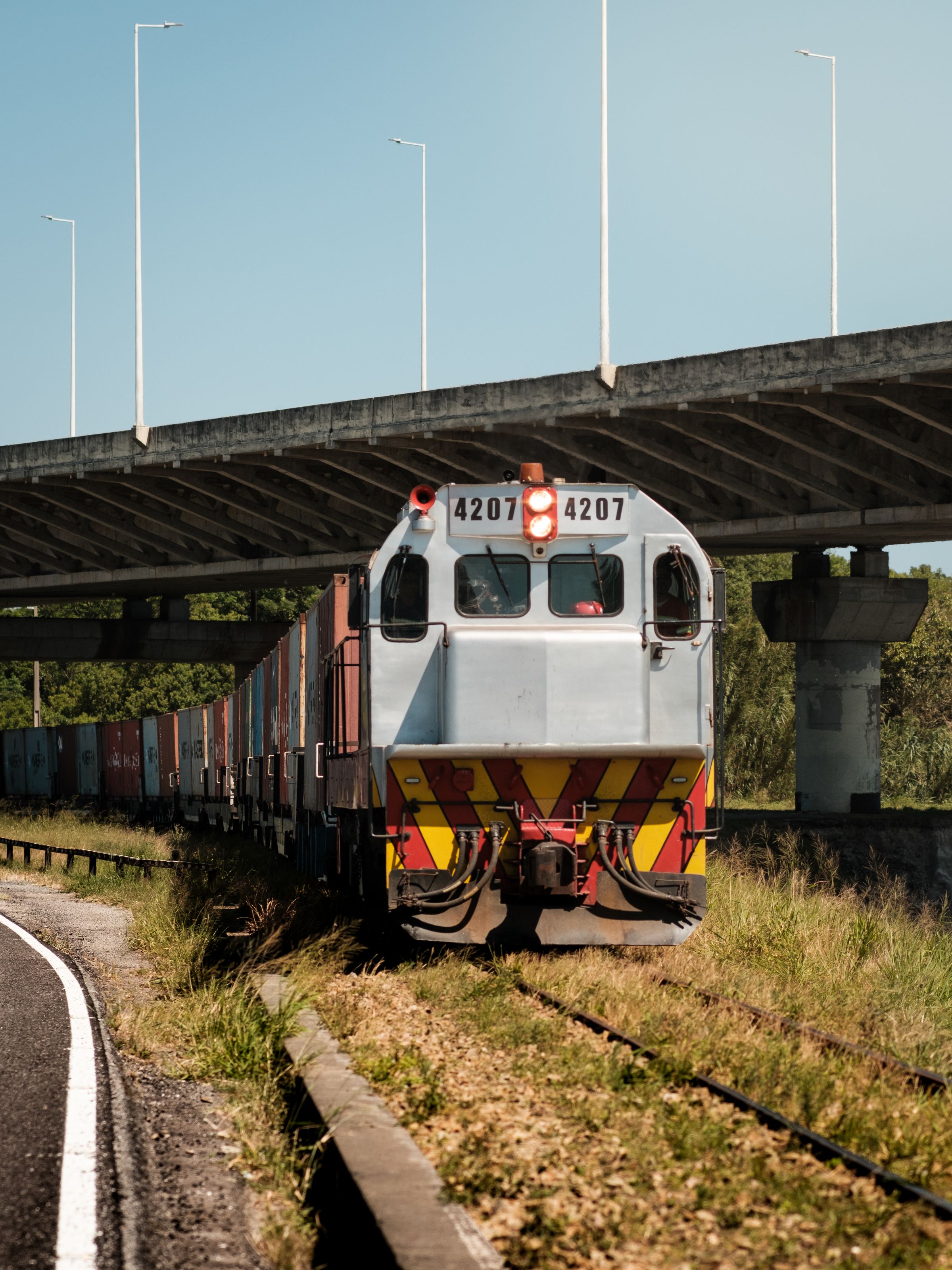
The multi-billion-rand Transnet corruption case returned to the Johannesburg High Court this week, with the State and defence trading arguments over an application to have the matter struck off the roll entirely. At stake is the prosecution of five accused, including former Transnet executives, over a locomotive procurement deal worth more than R54 billion. The scale of the transaction has made this one of the most closely watched corruption matters in the country, and for ordinary citizens it raises a direct question: how were billions of rands in public money spent at a state-owned enterprise, and will anyone answer for it in court?
The charges stem from Transnet’s 2012 procurement of 1,064 locomotives. Those facing charges include former Transnet executives Brian Molefe, Anoj Singh and Siyabonga Gama, alongside Malusi Gigaba and Thamsanqa Jiyane. They stand accused of fraud, corruption, money laundering and contravening the Public Finance Management Act, the law meant to safeguard public funds.
The State’s case rests on allegations that Regiments Capital was irregularly brought into the locomotive contract, with its involvement increasing the value and scope of the deal by more than R305 million. The accused also face charges relating to a R93.4 million payment to Trillian Asset Management in 2015, a transaction that forms part of allegations of irregular payments linked to Transnet’s procurement dealings.
On Thursday, the State and defence presented arguments on the application to strike the case from the roll. The State has opposed the move, setting up a direct confrontation between prosecutors seeking to advance the case and defence teams arguing it should not proceed.
For now, the court has postponed the matter to 21 October, when software experts are expected to report back on how the accused can access electronic evidence disclosed by the State. That technical question, how defence teams can reach the material they are entitled to see, has become a practical obstacle in a case that has already seen repeated delays.
The dispute over evidence access is not new to these proceedings. The matter has previously been postponed following a hard drive evidence dispute, and the high court has granted Gigaba and his co-accused additional time to consult. The State has also previously raised a conflict of interest in the case.
The outcome of the striking-off application will determine whether the prosecution over the locomotive procurement continues at all. For the public, the case touches on whether those responsible for the alleged irregularities will ultimately be held to account. The Johannesburg High Court is expected to take the next step when the parties return on 21 October.