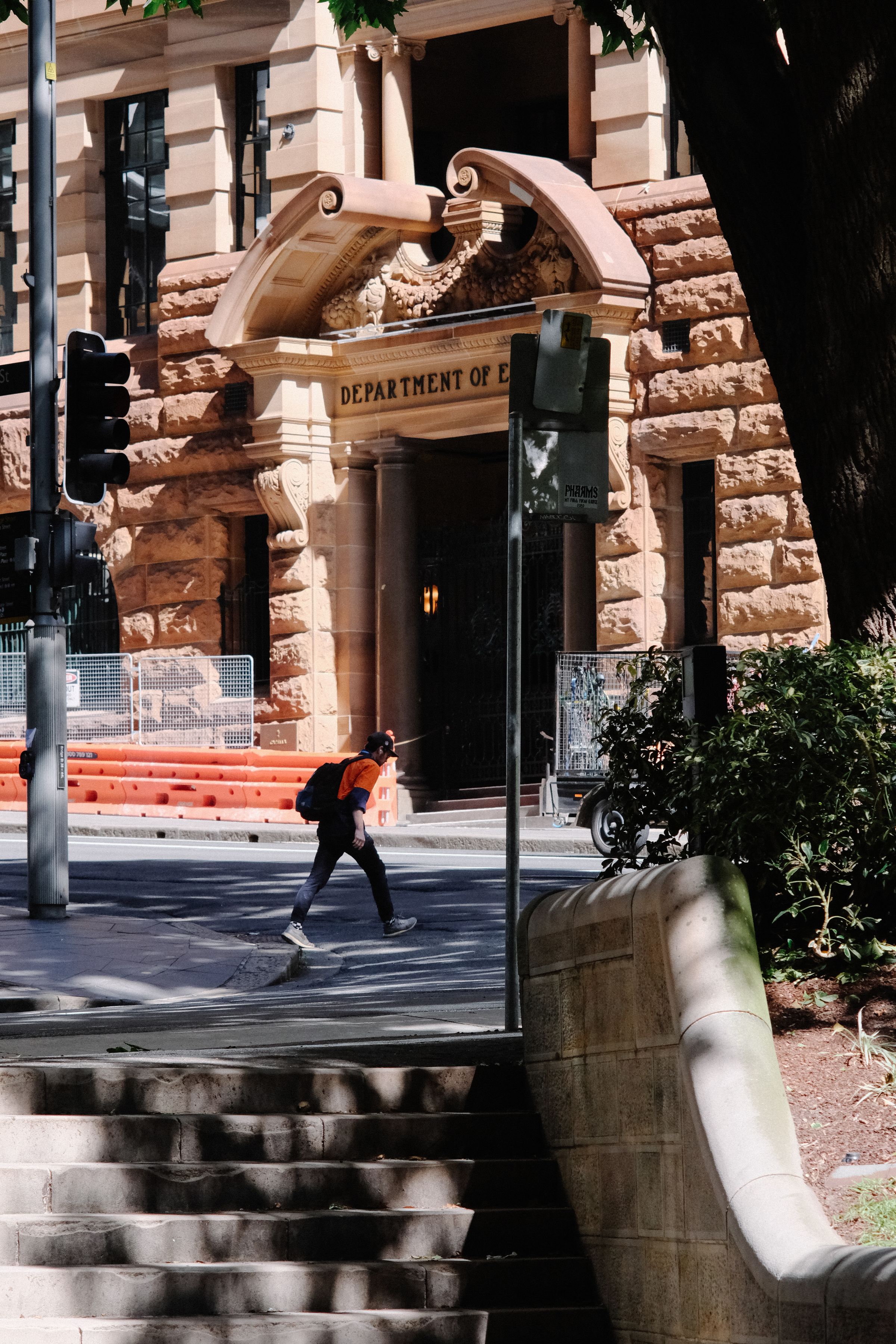
Home Affairs Visa Rules Strain Foreign Clergy Recruitment
Strict permit conditions and fees test churches seeking clergy from abroad
South Africa’s Department of Home Affairs sits at the center of a growing administrative bottleneck complicating the work of foreign missionaries across the country. The department’s visa regime for religious workers, governed by formal directives and statutory fees, has become a significant hurdle for churches seeking to bring in clergy and church workers from abroad, according to church officials and immigration practitioners.
A senior Anglican Church official in South Africa, whose name has been withheld for security reasons, confirmed that securing permits is a major obstacle. “The one long-term challenge the Church in Southern Africa has experienced is difficulty in securing South African work permits for church workers from outside the country,” the official said. The difficulty applies to the long-term visitor’s visa, the class of work permit visa designated for religious workers. Some observers connect the tightening trend to rising hostility toward migrants from poorer African countries, hostility that has produced violent crackdowns across the nation in recent months.
The regulatory framework itself imposes demanding conditions. Under the department’s rules, missionary work visa applicants must attach a recommendation letter from a South African hosting church or religious body that is formally registered and recognized under the law. Charl Vollmer, a top immigration consultant in South Africa, emphasized that the visa is designed strictly for its core purpose of allowing religious workers to serve their churches temporarily.
What changed: some rules have been relaxed. “Under Directive 5 of 2023, issued by the Minister of Home Affairs, applicants no longer need police clearance certificates from every country they have lived in since the age of 18,” Vollmer said. “Clearances are now only required for countries where the applicant has resided for 12 months or more within the last five years.”
Other restrictions remain firmly in place. Missionaries and foreign religious workers are barred from converting their current visa status into permanent resident status while in South Africa. The visa is generally issued for up to three years and is renewable within the country, but applications for a change in status can only be submitted when the applicant is outside South Africa.
The administrative burden is measured in both time and money. Vollmer estimated processing times of between 30 and 90 days, depending on the workload of the South African embassy handling the application. Government processing fees run to about 1,520 South African Rand, roughly US$127, for a work visa, while the long-term work visa and temporary residence visa each cost R425, about US$36, with figures subject to foreign exchange variations. Independent sources in the tourism and travel sector confirmed that applicants whose documentation is guided or processed by immigration consultants achieve a higher success rate than those who attempt the process themselves.
The full picture is available in the original report, published at https://livingchurch.org/news/news-anglican-communion/in-south-africa-missionaries-struggle-to-obtain-work-permits/.
By contrast with its neighbors, South Africa is not alone in imposing demanding requirements, and the comparison highlights how immigration policy shapes religious work across the region. In Zimbabwe, the non-refundable statutory fee for a Temporary Employment Permit is US$500, with US$300 payable for each dependent of the applicant. In Kenya, the Catholic bishops in 2024 petitioned President William Ruto to remove work permit requirements for missionaries, citing what they called an exorbitant increase in charges from KES 15,000, about US$115, to KES 150,000, about US$1,153. “We as a country should be showing gratitude and appreciation through giving waivers to priests, religious men and women, and other social missionary volunteers who come to complement our social engagement. We request that their work permit be zero-rated,” the bishops told the president. In both Zimbabwe and Kenya, bishops want their governments to abolish the punitive requirements and eliminate the fees.
The policy debate unfolds against a long institutional history. Missionaries have played major roles in Africa since the European colonial era, providing education, health care, and other essential services, including to marginalized populations in remote villages. Johnson Ndlovu, an Anglican high school teacher in Durban, KwaZulu-Natal, said South Africa remains a beneficiary of those sacrifices. “The missionaries settled among the poor people in remote villages, opening schools and hospitals and drilling water sources, and they later participated in translation of the Holy Bible and prayer books into local languages,” Ndlovu said. The Anglican Church in Southern Africa has continued to register an upward trend in leadership and membership despite political changes such as the fall of the apartheid regime in 1994.
The church’s institutional legacy extends to the highest offices in the region. The Most Rev. Desmond Tutu, educated in mission schools, became the first black primate of the Anglican Church of Southern Africa and archbishop of Cape Town on September 7, 1986. He received the Nobel Peace Prize in 1984, the U.S. Presidential Medal of Freedom from President Barack Obama in 2009, the Gandhi Peace Prize in 2005, and the Templeton Prize in 2013. Many of Africa’s first postcolonial presidents were also educated in Christian mission schools, among them Nelson Mandela, who attended Qunu primary and Wesleyan secondary schools before becoming South Africa’s first democratically elected president, sworn in on May 10, 1994, after 27 years in prison for opposing apartheid. Others include Sir Seretse Khama of Botswana, Kenneth Kaunda of Zambia, Samora Machel of Mozambique, Robert Mugabe of Zimbabwe, Kamuzu Banda of Malawi, Julius Nyerere of Tanzania, and Jomo Kenyatta of Kenya.
Ndlovu argued that the current policy environment fails to reflect that history. Noting that South Africa has a strong economy but is also a leader in organized criminality, he said the rising rate of criminality, combined with xenophobia, indicates a spiritual deficiency in the country. “We need to plant more churches and train additional priests. The government should remove permit conditions to allow free movement of missionaries to come and supplement the good work of the local clergy,” he recommended. Whether the Department of Home Affairs will ease the conditions it has set remains an open question for the churches awaiting answers.
Q&A
What conditions does South Africa impose on missionary work visa applicants?
Applicants must attach a recommendation letter from a South African hosting church or religious body that is formally registered and recognized under the law. The visa is strictly for religious workers serving their churches temporarily, is issued for up to three years and is renewable within the country, but holders cannot convert to permanent resident status while in South Africa and change-of-status applications can only be submitted from outside the country.
What did Directive 5 of 2023 change?
Issued by the Minister of Home Affairs, Directive 5 of 2023 removed the requirement for police clearance certificates from every country an applicant has lived in since age 18. Clearances are now only required for countries where the applicant resided for 12 months or more within the last five years.
What are the costs and processing times for these visas?
Government processing fees run to about R1,520 (roughly US$127) for a work visa, while the long-term work visa and temporary residence visa each cost R425 (about US$36), subject to foreign exchange variations. Processing takes an estimated 30 to 90 days depending on the workload of the South African embassy handling the application.
How do neighboring countries compare, and what are churches asking for?
Zimbabwe charges a non-refundable US$500 for a Temporary Employment Permit plus US$300 per dependent. In Kenya, Catholic bishops petitioned President William Ruto in 2024 to remove work permit requirements for missionaries after fees rose from KES 15,000 (about US$115) to KES 150,000 (about US$1,153). Bishops in both countries want governments to abolish the punitive requirements and eliminate the fees.