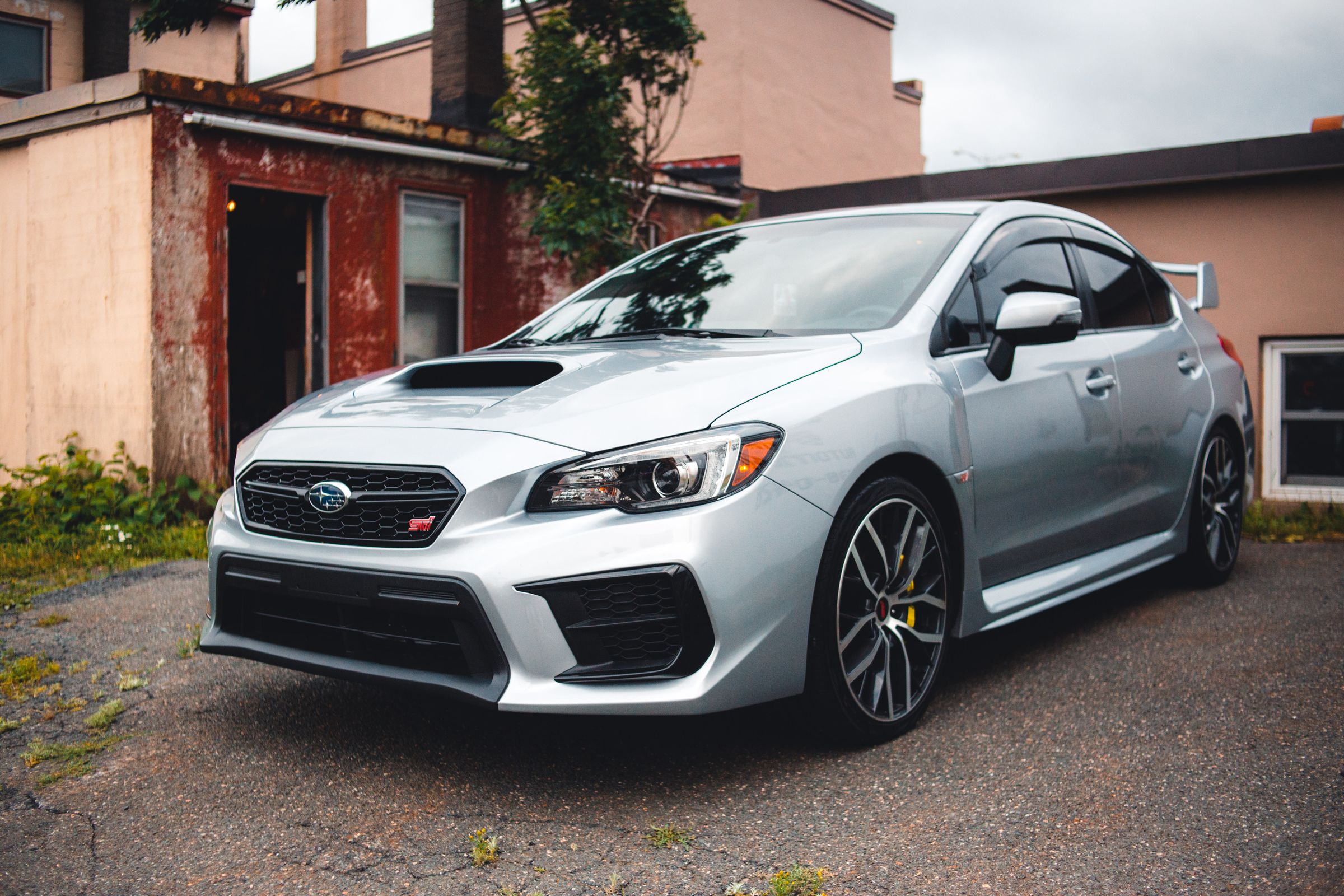
Subaru Forester Sport lands at R790 000 as the value pick
Value-focused SUV challenges Chinese rivals with a sharp price tag
Subaru’s Forester Sport arrives in South Africa priced at R790 000, a figure that undercuts the flagship Premium by R40 000 and positions the sixth-generation SUV as the value play in a line-up that has shed its entry-level engine option altogether.
That pricing decision sits at the heart of the Sport’s appeal. With the previous range-opening 2.0-litre variant dropped, the Sport now anchors the local Forester range a notch below the Premium, and the R40 000 saving is achieved by sacrificing some of the flagship’s luxury rather than substance. The test unit, finished in Magnetite Grey Metallic, one of nine colours available, argues a strong case that the cheaper variant is all the Forester most buyers will ever need.
The model itself has been a long time coming to market. Globally revealed three years ago in North America, the sixth-generation Forester, internally named SL, made its public debut on local soil at the Kyalami Festival of Motoring last August. Road test editor Mark Jones sampled the flagship Premium back in February, making the week-long arrival of the Sport something of a surprise.
For South Africa, Subaru has retained a single powertrain strategy: the normally aspirated 2.5-litre flat-four Boxer engine paired with what the company describes as an extensively revised Lineartronic CVT. The engine develops 136kW, unchanged, but gains eight Newton-metres for a total of 247Nm. At a claimed 1 635kg, the revisions produce an engine willing to rev and perform, though mainly in the upper regions of the tachometer. The CVT is unobtrusive and smooth at low speeds but sluggish and droney when pressed. Manual mode via the paddle shifters improves engagement, at the cost of a noticeable jerk.
Running costs tell a more favourable story. Over a week and 334km, the Sport returned a best of 7.4 L/100km on the TFT display, just 0.5 L/100km above Subaru’s claim, a respectable figure given the vehicle’s mass and a powertrain anticipated to suffer at altitude.
Meanwhile, the value proposition extends to specification. The Sport carries LED headlights, LED fog lamps, rain-sensing wipers, push-button start, keyless entry, dual-zone climate control, a leather-wrapped steering wheel, electric front seats, a wireless smartphone charging pad, type-A and type-C USB ports, a heated steering wheel and a six-speaker sound system. The updated 11.6-inch Starlink infotainment display offers wired Apple CarPlay, wireless Android Auto and embedded satellite navigation, and doubles as the interface for the climate control.
Safety kit is equally comprehensive. Subaru’s EyeSight system, described as still best-in-class, bundles nine airbags, a 360-degree camera system, a forward-facing camera, rear parking sensors, Adaptive Cruise Control, Autonomous Emergency Steering, Pre-Collision Throttle Management, Lead Vehicle Alert, Emergency Steering Assist, Lane Departure Warning, Lane Centring, Auto High Beam Assist, Driver Attention Alert, Blind Spot Monitoring and Reverse Automatic Braking. Some features are intrusive and reactivate automatically at each ignition cycle.
Practicality supports the family-market positioning. Rear head and legroom are excellent, the hands-free electric tailgate opens a 496-litre boot that expands to 1 174 litres with the rear seats folded, and the only irritation is a floppy parcel shelf.
On the move, the Sport is quiet, refined and comfortable, with the standard X-Mode drive selector and symmetrical all-wheel drive providing relentless grip. Hill Descent Control and a claimed 220mm of ground clearance round out the off-road-focused brief, though the road test did not put them to use. The steering, a nod to the WRX STI era, is communicative and inspires confidence beyond ordinary expectations.
Inside, the cabin retains the previous generation’s basic layout but is more ergonomically sorted, with soft-touch materials, retained physical buttons and a fully digital instrument cluster absent across the range. The green accents replacing the old orange stitching arguably make the cabin more inviting, and the seats keep their water-repellent polyurethane finish.
Subaru has likely made peace with the fact that mainstream success in South Africa is not imminent. Viewed against the value proposition of many Chinese products, the R790 000 Forester may look under-equipped on paper. Yet the nameplate’s track record for engineering and reliability needs little explaining, and the Sport, well packaged and properly engineered, stands as a credible left-field option for buyers seeking something different from the mainstream norm. Whether that reputation can keep winning wallets against better-equipped rivals at the same price point is the question Subaru’s local sales figures will answer in the months ahead.
Q&A
How much does the Subaru Forester Sport cost in South Africa and how does it compare with the Premium?
R790 000, which is R40 000 less than the flagship Premium in the sixth-generation Forester line-up.
Why is the Sport considered the value pick in the Forester range?
The entry-level 2.0-litre variant was dropped, so the Sport anchors the range a notch below the Premium, with the R40 000 saving coming from trimmed luxury rather than substance.
What powertrain does the South African Forester Sport use?
A normally aspirated 2.5-litre flat-four Boxer engine with 136kW and 247Nm, paired with a revised Lineartronic CVT.
How does the Sport fare against rivals at its price point?
The article suggests Subaru may struggle against better-equipped Chinese products on paper, and its reputation for engineering and reliability must now hold up against them at the same price point.