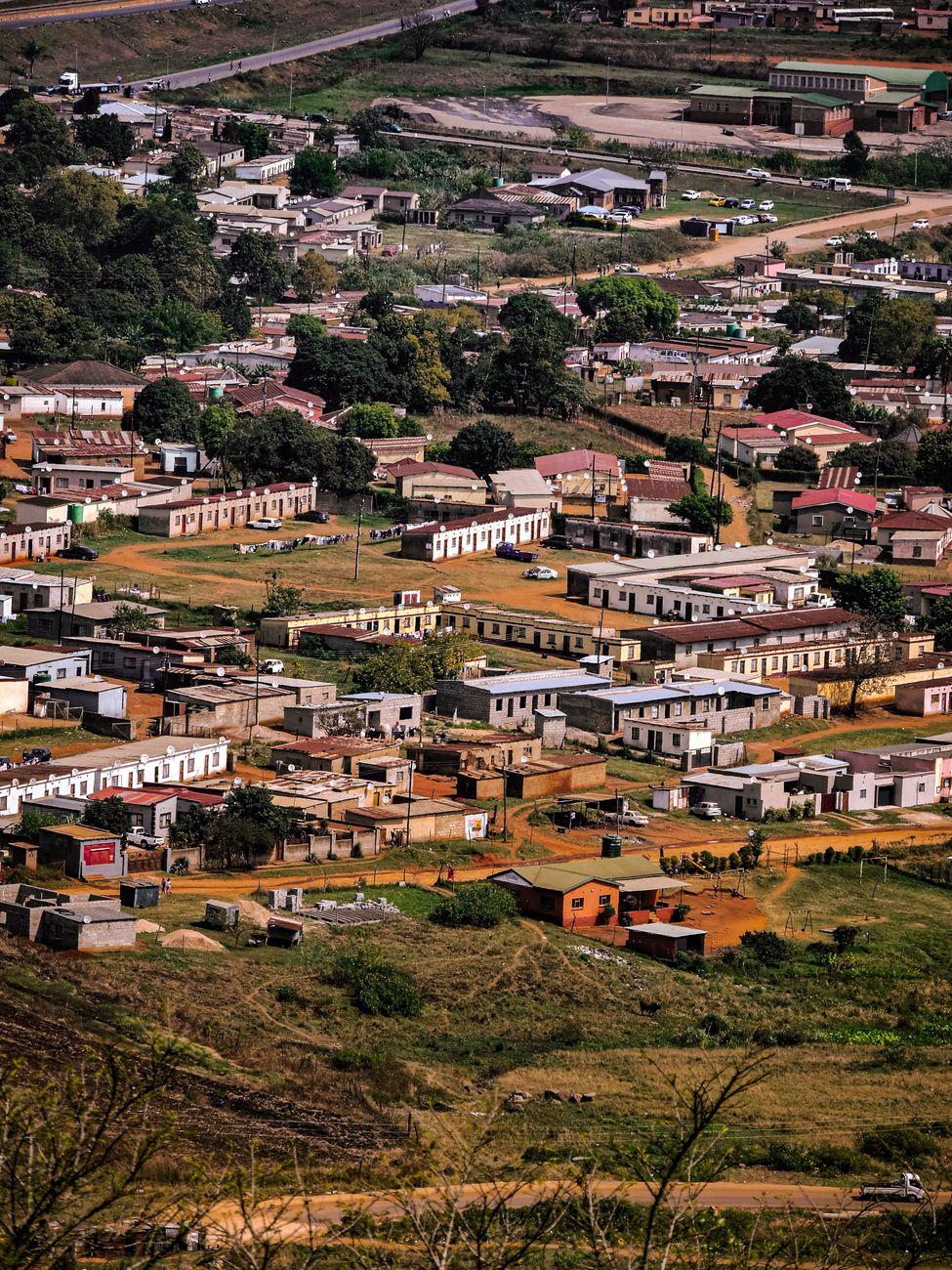
Lesotho's mountain villages risk losing their voice as Angola eyes SADC Troika seat
A quiet diplomatic contest over a regional seat could leave small communities without a say in aid and crisis decisions
For families in Lesotho’s mountain villages, a diplomatic reshuffle in Pretoria and Luanda might sound distant. But it isn’t. If Angola takes Lesotho’s seat on the Southern African Development Community Troika, the change would strip the small, landlocked kingdom of a direct voice in decisions that shape aid, trade and crisis response across the region, at a moment when many of its citizens can least afford the loss.
That’s the stakes behind a quiet but consequential diplomatic push. South Africa is pressing Angola to join the SADC Troika, a move that would replace Lesotho in the role. The regional body has not reached consensus on the matter, and the question remains unresolved as officials in Pretoria work to shift the balance of power within the group.
For ordinary people across southern Africa, this isn’t abstract politics. The Troika shapes how the organization responds to crises, mediates disputes and sets priorities for a bloc that includes some of the continent’s most fragile states. When the seat sits empty or changes hands, the effects reach communities that depend on the SADC to coordinate humanitarian aid, manage migration pressures and keep cross-border trade moving. A farmer waiting on drought relief, a trader crossing a border checkpoint, a family displaced by instability: these are the people who feel it when regional coordination falters.
South African officials have reportedly approached their Angolan counterparts, encouraging them to accept the Troika seat. The calculation is straightforward for Pretoria: Angola’s inclusion would give South Africa a stronger voice in the trio and reshape decision-making at a time when the region faces economic strain and political uncertainty in several member states.
Angola, for its part, has given no signal yet. Luanda’s decision will hinge on its own weighing of costs and benefits, including how the move fits its broader diplomatic strategy and its relationships with other SADC members.
Meanwhile, Lesotho stands to lose the most. The country currently holds the seat in question, and would be displaced if Angola steps in. For a small, landlocked economy already grappling with deep structural challenges, losing that seat could mean reduced influence over the regional agenda, and a diminished ability to draw attention to the domestic and regional issues that affect its own citizens most directly.
What changed: a routine internal matter of SADC composition has become a flashpoint that exposes the tensions simmering beneath the bloc’s public unity. Member states often carry competing interests, and the fight over who sits on the key decision-making trio reflects those rivalries plainly. The contest between Pretoria and Luanda is unfolding against a regional backdrop still marked by drought, debt and political instability, conditions that make every seat at that table matter more, not less.
Community leaders and local officials in the countries affected have little visibility into these diplomatic maneuvers. They aren’t in the room when Pretoria calls Luanda, and they don’t get a vote on who represents the region’s interests. Yet they carry the consequences when coordination breaks down or when one country’s priorities crowd out the concerns of smaller states.
Whether Angola accepts the seat remains an open question, one that Luanda has yet to answer publicly. What’s clear is that the decision will ripple beyond ministries and summits, landing on people in villages and border towns who have never heard the word “Troika” but whose lives depend on what it decides.
Q&A
What change is South Africa pushing for within the SADC Troika?
South Africa is pressing Angola to join the SADC Troika, a move that would replace Lesotho in the role and give Pretoria a stronger voice in the decision-making trio.
How would Lesotho be affected if Angola takes the seat?
Lesotho would lose its seat and with it influence over the regional agenda, weakening its ability to draw attention to domestic and regional issues that affect its own citizens most directly.
Who feels the consequences when regional coordination falters?
Ordinary people: a farmer waiting on drought relief, a trader crossing a border checkpoint, and a family displaced by instability, plus communities that depend on SADC to coordinate humanitarian aid and manage migration pressures.
Has Angola decided whether to accept the seat?
No. Angola has given no public signal yet, and Luanda's decision will hinge on its own weighing of costs and benefits, including its broader diplomatic strategy and relationships with other SADC members.