Cape Town will host a technology gathering this November whose organisers have restructured it around a single, connected programme, and the change carries particular weight for the policymakers who will share the room with the industries they regulate. The 29th edition of the event, consolidated under one name as the Africa Tech Festival, runs at the Cape Town International Convention Centre from 17 to 19 November 2026, with VIP and partner events from 16 November.
The consolidation is the central institutional story. The festival began in 1997 as AfricaCom. Over nearly three decades it spawned parallel brands, including AfricaTech, The AI Summit Cape Town and AfricaIgnite, each building its own community within the technology ecosystem. For 2026, the organisers have dissolved that separation into one agenda spanning nine stages, more than 100 sessions and over 400 speakers, organised around six pillars: Telecoms and Connectivity, Data Centres, AI, Cybersecurity, Start-ups and Digital Transformation.
The rationale offered by the organisers, whose head of content Kadi Diallo wrote the source material for this preview as promoted content paid for by the party concerned, is that the conversations have become increasingly interconnected. AI depends on connectivity, cloud and data infrastructure. Digital transformation raises questions of cybersecurity, skills and investment. Whether that integration improves the quality of dialogue between regulators and the governed will be one measure of the new format.
Governance sits unusually high in the programme. Solly Malatsi, South Africa’s minister of communications and digital technologies, joins ministers from Ghana and Botswana, a deliberate arrangement, according to the organisers, so that policy sits in the same rooms as the businesses it affects. Beyond the public stages, the festival hosts its third annual Ministerial Summit and the invitation-only Leaders In Africa Summit, both of which bring government and industry into closed-door discussions. Those private sessions, by their nature, sit outside public scrutiny, and the balance between closed-door policymaking and the open programme is worth noting for observers of how digital policy is shaped on the continent.
Meanwhile, the new format introduces structures that touch on oversight and investment in public-facing infrastructure. Four new stages appear for 2026: Next Gen Networks, covering satellite, 4G and 5G and AI-driven network optimisation; Future of Fibre; Data Centres and Cloud Services; and AI-Enabled Telco, alongside a dedicated Fintech stage. Headline keynotes move to a separate auditorium. An Infrastructure Investment Forum convenes investors and industry leaders around the future of Africa’s digital infrastructure, while a Connected Industries Forum examines how connectivity is changing industrial operations. A Women in Tech strand addresses leadership, mentorship and career development, and new ATF Community Meet-ups gather professionals from banking, cybersecurity, fintech, data centres and connectivity.
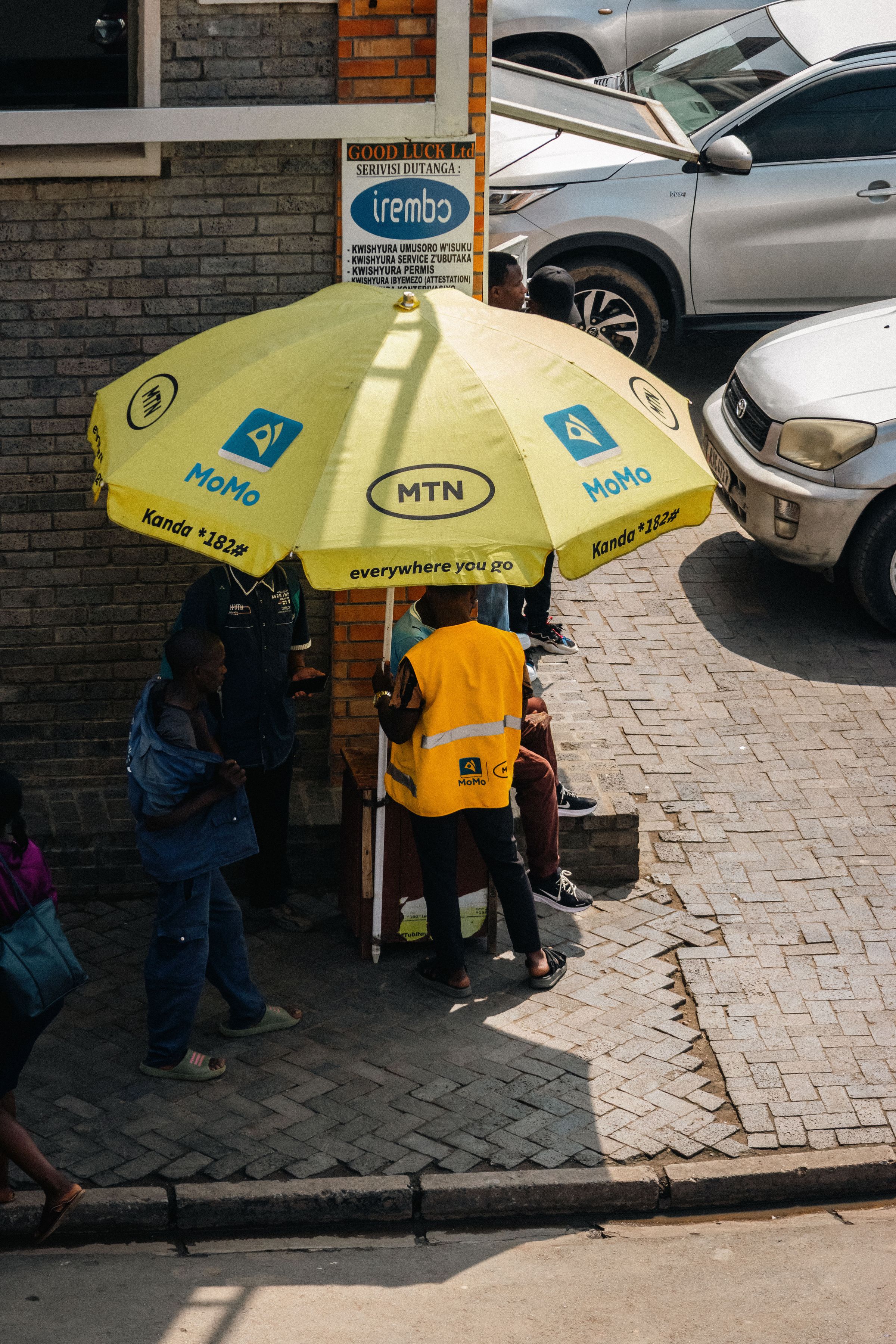
Curated formats extend the closed-session model further. Roundtables place operators, partners and investors in smaller rooms. MTN MoMo sponsors a fintech private briefing, and Qualcomm’s Pitch Showcase and the Next Gen Talent track, backed by Naspers Labs, give founders and early-career professionals a place in the programme. A new hackathon, the M-Pesa Innovation Safari, developed with M-Pesa Africa, tasks developers and early-stage fintech founders with real challenges in financial inclusion, cross-border commerce and AI-assisted mobile money services. Masterclasses, 60-minute sessions capped at 30 participants and led by one to three specialists, run in two dedicated rooms, one on the expo floor for data centres, connectivity and telcos, and one in the Nerina Room for AI, digital transformation, cyber and start-ups. Booking happens through the event app.
The speaker list itself maps the chain of accountability in the digital economy. Charles Molapisi, group chief technology and information officer at MTN Group, represents the operator view of the network. Wole Abu, managing director for West Africa at Equinix, speaks for the data centres that carry it. Emmanuel Lubanzadio, Africa lead at OpenAI, and Kerissa Varma, chief security advisor for Africa at Microsoft, cover AI and the security that must accompany it. Mohammed Merej Khan, group chief technology and information officer at Ecobank Group, represents the enterprises deploying these technologies.
Three sessions stand out for anyone tracking how policy and capital will meet. Beyond Adoption: What Will Make Africa an AI Producer, Not Just a Consumer? runs in the Headline Keynotes on Tuesday 17 November from 11.05am to 11.40am, with Carrol Chang, CEO of Andela, and Jade Abbott, co-founder of Lelapa AI. An Investor Spotlight on AI infrastructure investment brings together investors from British International Investment, IFC, Verdant Capital and African Infrastructure Investment Managers to discuss financing the continent’s AI and data centre needs. And Reinventing the Telco: AI, New Business Models and Growth features senior leaders from MTN, Vodacom, BTC and MTC on how operators are rethinking their businesses in the age of AI.
Outside the formal programme, the opening night brings Afest, a music festival on the beachfront described by the organisers as a premier networking occasion. Community meet-ups run throughout, and an Awards evening on the Wednesday closes the event. For a fuller view of the programme, see https://techcentral.co.za/one-festival-nine-stages-what-to-expect-at-africa-tech-festival/288217/. Whether the single-programme structure sharpens the accountability conversation between governments, investors and operators is the question this 29th edition will answer in practice.