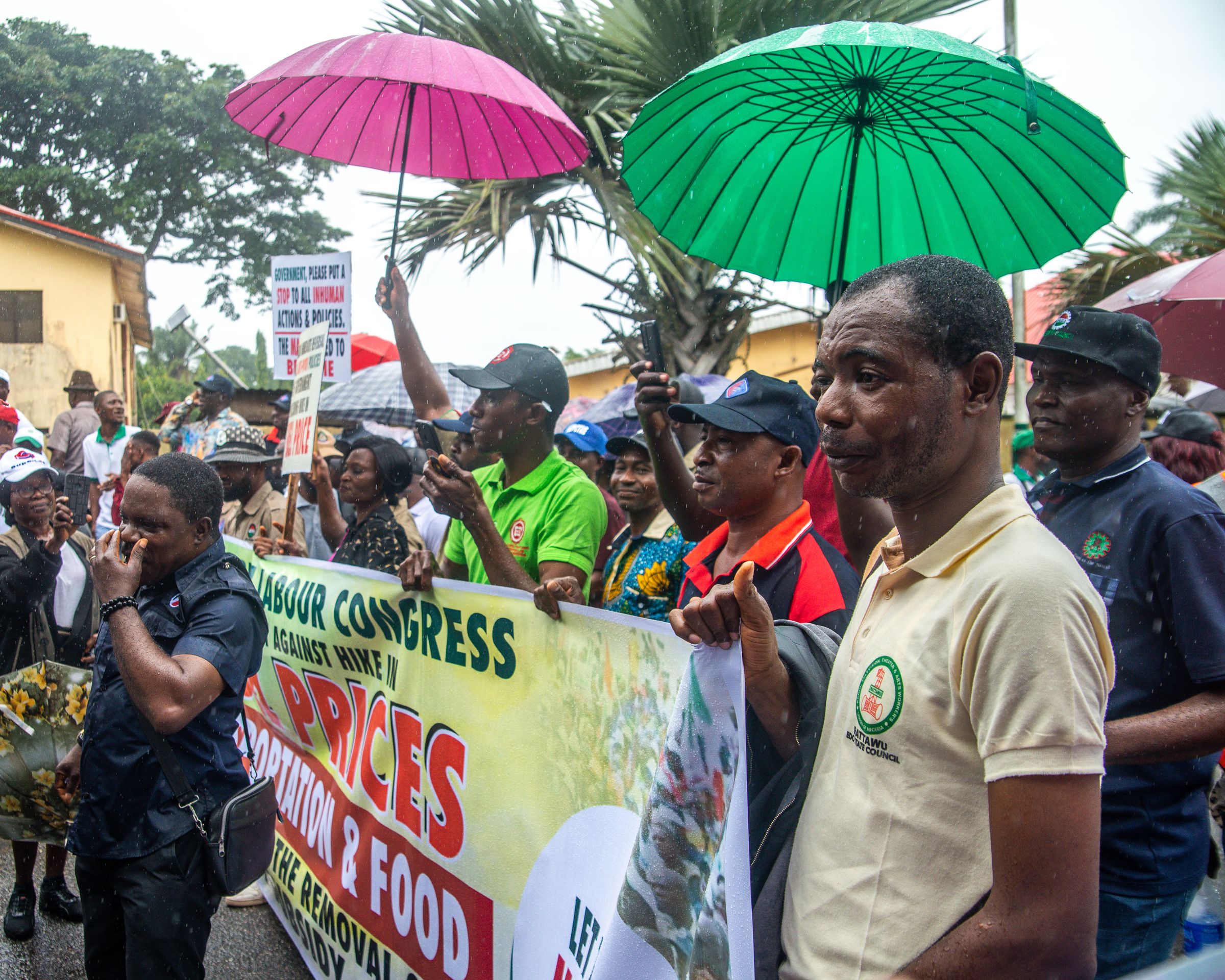
South Africa’s removal from the African Growth and Opportunity Act, effective January 2027, is shaping up as a significant capital shock to the country’s export economy, and the Congress of South African Trade Unions is pressing the government to treat it as such. The union federation argues that the next 60 days must be used to negotiate a solution before tariff barriers close off the United States, currently the world’s largest economy and a market that AGOA has long opened to African goods at lower tariff rates.
The commercial logic of AGOA is straightforward. It has boosted South African and other African countries’ exports to the US, and it has helped nurture intra-African trade in the process. South African vehicle exports to the American market, for instance, include many components made in neighbouring states, meaning the arrangement has supported supply chains well beyond South Africa’s borders. The benefits have flowed in both directions: the US has gained access to African goods, including critical minerals, and AGOA has helped create an estimated 200,000 direct American jobs, positions that now face risk as well.
Cosatu acknowledges that the US, like all nations, has the right to determine which goods enter its market and at what tariff level. Other African countries have previously been removed from AGOA, and some were later reinstated. The federation states this plainly, insisting the debate be grounded in facts rather than fiction. But the facts, it argues, demand honesty about what is at stake economically.
The stakes are already visible. Since 2025, massive tariff hikes imposed by the US have cost jobs at companies in Cape Town, Atlantis, Malmesbury and Tulbagh, among other places, and the devastation threatens workers’ and farmers’ ability to support their families. Cosatu frames these losses not as statistics but as households confronting rent, food and school fees, and as workers with decades of service to factories and farms whose jobs have been rendered unviable by a decision taken in Washington.
The macroeconomic context sharpens the concern. With unemployment already at a dangerously high 43.8% and economic growth weak, Cosatu argues this cannot be treated as just another trade dispute. It compounds an existing jobs crisis, which is why the federation wants government to deploy the 60-day window before the exit takes effect to negotiate favourable solutions that avert a blow to the economy and employment.
Those negotiations, Cosatu says, must be anchored in mutual respect, including recognition of South Africa as a constitutional democracy and a sovereign member of the international community. Talks on continued AGOA membership and a reset of bilateral relations must serve the interests of South Africa’s people and respect the country’s transformation journey. The federation is explicit that it will not apologise for land reform, employment equity, or correcting the injustices of apartheid, arguing that transformation is not anti-American but pro-South African, and that any sustainable partnership must respect it.
At the same time, Cosatu urges preparing for the worst while negotiating for the best. It calls on the Departments of Trade, Industry and Competition; Employment and Labour; National Treasury; and Agriculture to assemble an urgent support package for at-risk workers, companies, industries and communities. The proposed toolkit includes subsidies and incentives, tax rebates and holidays, and support from the Unemployment Insurance Fund’s Temporary Employment Relief Scheme. TERS, the federation notes, was designed for moments like this: to keep workers paid and employed while companies navigate a shock. It must be deployed quickly, transparently and without bureaucratic delay, and crucially, before retrenchments begin rather than after factories close, farms dismiss workers, or towns lose their economic lifelines.
Diversification is the other pillar. Cosatu wants efforts to boost and diversify exports to other markets, from Canada to Brazil, from Europe to Asia, and most importantly across the African continent, accelerated with support from both state and private sector. The country has been over-dependent on a single market for too long, and the African Continental Free Trade Area must become a lived reality for manufacturers, farmers and workers.
The federation also assigns blame for the rupture. It argues that AfriForum, Solidarity and other proponents of what it calls white persecution myths must account for the damage their lobbying in the US has done to bilateral relations, contending that South Africa’s removal from AGOA is in no small part a direct result of their efforts to decampaign the country. That story, Cosatu says, is false, but it has consequences, and those organisations must now explain to farmers and workers across the clothing, motor manufacturing, vineyard and citrus sectors why livelihoods will be lost. Cosatu plans to work with government, industry and the US labour movement to protect jobs on both sides. As detailed in the original commentary at https://thenational.co.za/thought/2026-11-09-south-africa-must-fight-for-every-job-as-agoa-exit-looms/ by Cosatu president Mike Madala Shingange, the message is that resilience requires action, and that no worker, business or community should be abandoned.