US oil price dip offers hope at South African pumps
Cheaper fuel could lift hard-pressed shoppers this festive season
For South African households staring down yet another month of high fuel prices, the news from across the Atlantic carries a rare flicker of relief. The blue wave in the US delivered a sharp correction in the oil price over the past week, and after the damage done to local consumers in recent months, any drop at the pumps would be welcome. The questions that matter most to families planning their festive budgets are practical ones. Will the lower oil price stick, and how quickly will it filter through to what they pay when they fill up? Nobody knows yet. What is clear is that it cannot come soon enough, because consumers and the retailers who serve them both need some Christmas cheer this festive season.
That relief, if it arrives, would land at a critical moment. For the retail sector, the weeks around Black Friday and the festive season are the most important of the year, and everything is still to play for. But shoppers should not assume the specials will come thick and fast. A chart of local retail share prices this year shows a sea of red, with only the best of the best keeping their heads above water from a shareholder perspective. Reading between the lines of company results, and talking to executives in the sector, one theme comes through clearly: retailers are tired of the race to the bottom.
Their frustration has a human face. South Africans have become among the most price-sensitive customers in the world, at least according to retail CEOs, who describe the phenomenon regularly. Shoppers hunt down deals and chase discounts with such skill that retailers must offer markdowns just to get people through the door. That constant pressure on gross margin, combined with inflationary costs of running a business, has been bad news for the investors who own these companies.
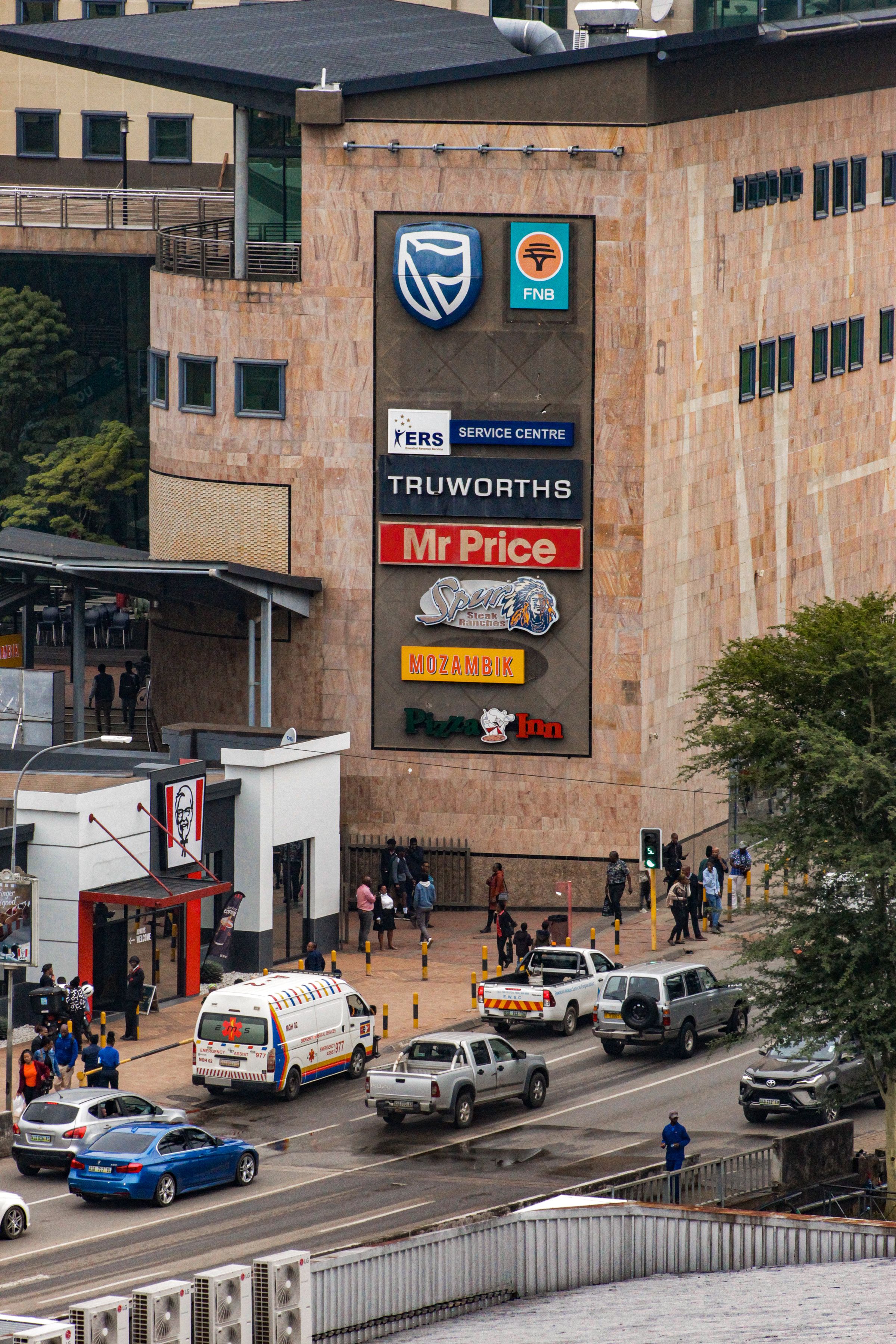
Truworths shows what one retailer is doing about it. Its sales update, covering the 17 weeks to 25 October 2026, reveals a business that has decided to prioritise gross profit over top-line growth. In Truworths Africa, sales fell by 2.7%, yet gross profit is described as “maintained” against the prior period. The group refers to the rand value of gross profit rather than the margin, a signal that management is focused on absolute profitability rather than optics. The picture for shoppers is starker. Cash sales, the money spent without credit, fell by 8.6%, which suggests credit sales are propping up the numbers. The update says nothing about profitability below the gross profit line, and it seems unlikely the company has offset the inflationary pressure in its operating cost base. What matters now is the remaining nine or so weeks of the interim period, covering almost the entire holiday season, which will make or break interim results due in February.
By contrast, The Foschini Group offers a fuller picture, with complete results for the six months to September 2026. Care is needed here, though. TFG Africa contributed 68% of group numbers, so nearly a third of sales come from the UK and Australia, meaning group results do not necessarily reflect South Africa. Looking only at TFG Africa, the shift in how people shop is striking. The company closed 120 underperforming stores during the period, with a further 60 to 80 closures planned, while its Bash platform grew online sales by 53.3%. Online now contributes 10.9% of TFG Africa’s sales, up from 7.4% a year earlier.
Total sales grew 3.8% over the six months, but the shape was unusual: 1.2% growth in the first quarter, including a particularly weak June, before a rebound of 6.2% in the second. Which categories thrived tells its own story about what South Africans are buying. Beauty led with growth of 11.4%, jewellery added 6.5%, and clothing, the anchor category at 71.1% of sales, grew 4.0%. Cellular was the clear loser, dropping 5.1%.
The credit numbers are the cautionary tale for household health. Credit sales declined by 2.4%, yet the gross debtors book increased by 3.0% and net bad debts rose 10.2%, a sign of strain on consumers. Against that backdrop, the margin performance is encouraging. Gross margin increased by 10 basis points after gross profit grew 4.1%, operating expenses rose only 4.0%, and operating profit still managed to grow 2.7%.
The market has noticed the shifting winds. At the time of writing, Truworths is up 4% in the past week and The Foschini Group has rallied 9.5%, as investors eye the opportunities a blue wave in the US may bring. Which washes away first, high fuel prices or the gloom over local retail, only time will tell.
Q&A
Why are South African households watching the US oil price dip?
After months of high fuel prices, a sharp correction in the oil price following the US blue wave offers hope of relief at the pumps, and families planning their festive budgets want to know whether the lower price will stick and how quickly it will filter through to what they pay when they fill up. Nobody knows yet, but any drop cannot come soon enough for consumers and retailers alike.
What did Truworths' sales update show?
For the 17 weeks to 25 October 2026, Truworths prioritised gross profit over top-line growth: Truworths Africa sales fell 2.7% but gross profit was described as maintained against the prior period. Cash sales fell 8.6%, suggesting credit sales are propping up the numbers, and the remaining nine or so weeks of the interim period, covering almost the entire holiday season, will make or break interim results due in February.
How is The Foschini Group's business changing?
TFG Africa closed 120 underperforming stores during the six months to September 2026, with 60 to 80 further closures planned, while its Bash platform grew online sales by 53.3%, taking online to 10.9% of sales from 7.4% a year earlier. Total sales grew 3.8%, with beauty up 11.4%, jewellery up 6.5% and clothing up 4.0%, while cellular dropped 5.1%.
What do the credit numbers reveal about consumers?
At TFG Africa, credit sales declined 2.4% but the gross debtors book increased 3.0% and net bad debts rose 10.2%, a sign of strain on consumers. Despite this, gross margin increased 10 basis points after gross profit grew 4.1%, operating expenses rose only 4.0%, and operating profit still grew 2.7%.