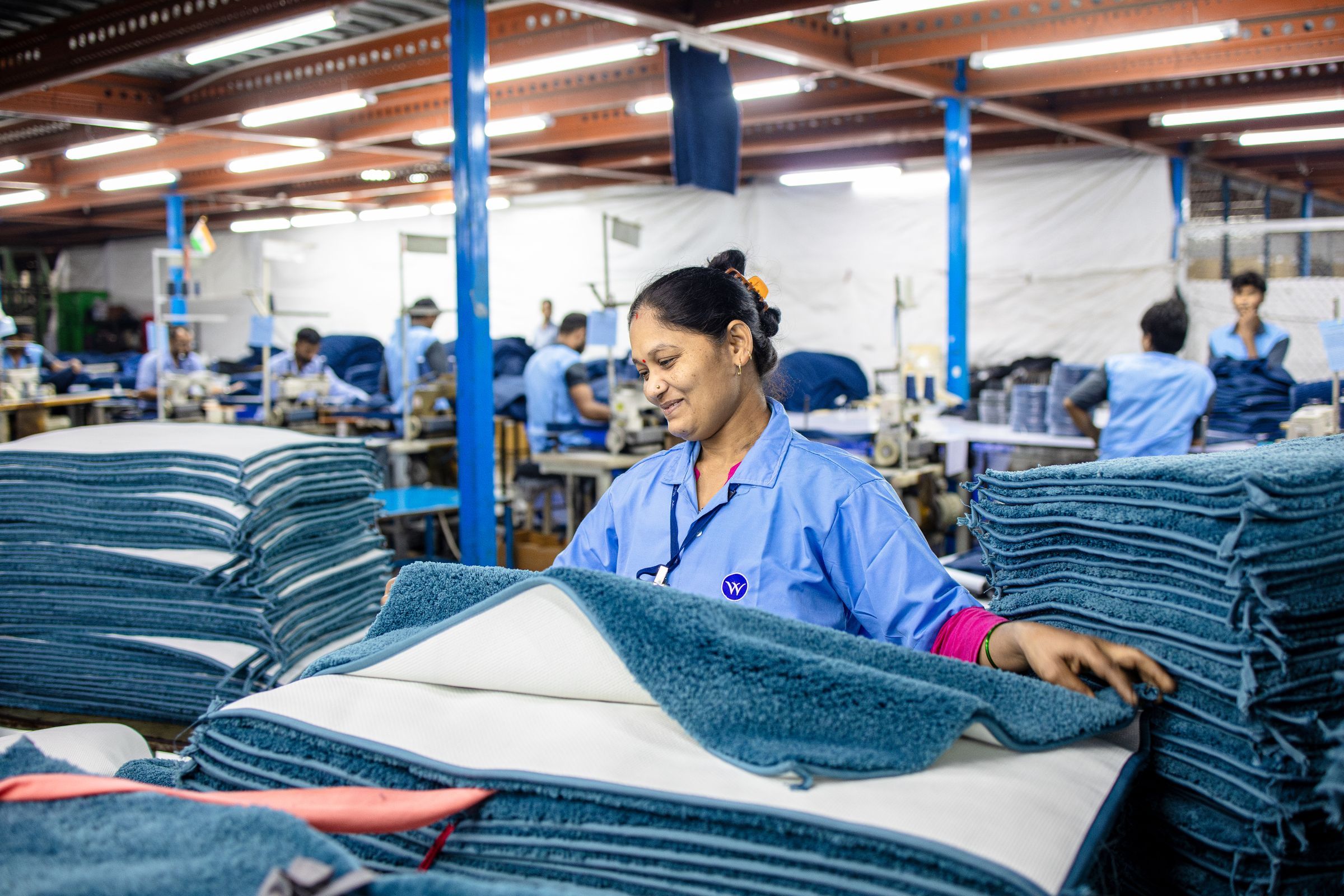
For the workers who stitch, cut and pack clothing on South African factory floors, the rise of offshore online shopping platforms is not an abstract trade debate. It is a question of whether they will still have a job in five years’ time. That is the warning at the heart of a campaign led by the South African Clothing and Textile Workers Union, known as Sactwu, which is calling on the government to ban offshore e-commerce retailers such as Temu and Shein from the local market altogether.
Membinkosi Vilina, the union’s deputy general-secretary, does not mince words about what his members face. “We are clear when we say that these offshore companies have done severe damage to the local industry,” he said. The damage, in his telling, stretches well beyond clothing and textiles, reaching into furniture, jewellery and other sectors where cheap imports have begun to crowd out local producers.
The stakes could not be measured only in today’s losses. “If there are no measures implemented, by 2030 we would have lost well over 30 000 jobs in the clothing, textile and footwear sectors,” Vilina said. For the families who depend on those wages, the union’s message is blunt: the country cannot afford to sit back and accept the status quo.
The numbers behind that warning come from a recent report by the Localisation Support Fund. It puts the combined sales of Shein and Temu at more than R7 billion in the 2024 financial year. In its high-growth scenario, the report projects R6.2 billion in lost local manufacturing sales and up to 34 700 retail and manufacturing jobs displaced by 2030. Those figures give concrete weight to what workers in the sector have been experiencing on the ground: orders shrinking, factories struggling, colleagues being let go.
The toll is already visible, Vilina said, in the fate of established retailers who cannot keep pace with the competition. “The industry is facing pressure and many local retailers are closing shop. Thousands of workers will lose their jobs and we can’t afford that,” he said. Behind each closing store are the shop assistants, machinists and packers whose livelihoods disappear with it.
What frustrates the union most, he argued, is that the offshore platforms give almost nothing back to the country where they sell. “We do not receive anything as a country from these offshore companies. They sell at ridiculous prices,” Vilina said. That combination of rock-bottom pricing and minimal local contribution has, in the union’s view, created an uneven contest that local manufacturers and retailers cannot win on their own.
The union’s answer is a set of escalating demands aimed squarely at the state. Vilina said government must investigate the dumping practices of these offshore e-commerce retailers, and that the South African Revenue Service must tighten its laws. But the first price, in his words, is the total banning of these companies. If the proposal is adopted, consumers would no longer be able to buy goods from online retail platforms such as Temu and Shein, a change that would reshape everyday shopping habits in the name of protecting local livelihoods.
Meanwhile, the campaign has not been waged by Sactwu alone. The 15th Cosatu national elective congress resolved to back its affiliate’s fight against offshore e-commerce retailers. “Delegates endorsed the resolution to campaign for the banning of offshore online shopping giants Shein and Temu to facilitate support for the local market, in turn stimulate job creation,” the federation said. That endorsement gives the union’s demand the weight of the broader trade union movement.
For now, the decision rests with the government. For the workers the union represents, the hope is that intervention arrives before the losses projected for 2030 become a reality they have already lived through.