South Africa's Running Community Mourns as Seven Women Found Dead; Families Demand Action
Killings near Johannesburg airport spark calls for systemic change from running community and advocates
JOHANNESBURG. Elizabeth “Tsontso” Moselakgomo, 38, left for a Saturday run on 9 September and never came home. Her eight-year-old daughter, waiting at home, alerted relatives when her mother did not return. By Saturday, Moselakgomo’s body had been found. On Monday, relatives identified her.
Her friend Sakane Mokoena, who met Moselakgomo when she joined the same running group, described a woman whose life revolved around her child. “She always spoke about her daughter,” Mokoena recalled. “Tsontso always said ‘Bye guys, I have to go, I have to go to my child’. That’s just an example of how close she was with her baby girl. And she was a really light-spirited, funny and joyful woman, who was kind, very, very kind.”
Additional reference context is available at https://www.theguardian.com/world/2026/sep/16/discovery-women-bodies-anger-femicide-south-africa.
Moselakgomo had joined a running club two years ago precisely to avoid training alone on Saturdays. It was not enough.
Her death is one of eight discovered in recent weeks near Johannesburg’s OR Tambo international airport. Police reported that four women’s bodies had been found since 15 July in Kempton Park, directly across the highway from the airport. All were half-naked and bore visible bruising. On Monday and Tuesday, two more bodies surfaced in Olifantsfontein, a town about 15 miles north of Kempton Park. A third body was discovered 25 miles to the southeast, naked and decomposed. Acting police minister Firoz Cachalia confirmed on Wednesday that another woman’s body found in Olifantsfontein on 7 September was being added to the investigation.
The cascade of discoveries has exposed the scale of violence that women in South Africa face daily. The country has one of the world’s highest femicide rates. According to the UN Office on Drugs and Crime, women were killed at a rate of 12.2 per 100,000 people in 2022, nearly six times the global rate. This pattern has persisted despite years of appeals from women and advocacy groups demanding government action.
Mokoena’s response to her friend’s death captured the despair spreading through communities. “In this country we are prey,” she posted on Instagram.
The official response has focused on individual precaution. Police advised women in and around Kempton Park to avoid walking or running alone, particularly in isolated areas, to remain vigilant, and to travel or exercise in groups. The suggestion that women themselves must manage the risk of being killed sparked immediate backlash.
Women For Change, an advocacy group, put the frustration plainly. “We are tired of being told to be vigilant when women are already doing everything possible to stay alive,” the group said. “It should not take a missing woman, a desperate family, runners and communities searching, and a case going viral, before an area is searched with this intensity.”
By contrast, the question of who is responsible remains unresolved. Detectives said on Saturday they were examining whether a serial killer may be responsible. Police spokesperson Athlenda Mathe told reporters on Monday: “For now, nothing tells us that we’ve got a serial killer.” Mathe added that a suspect in the killing of the first woman in July, identified as her boyfriend, was in custody.
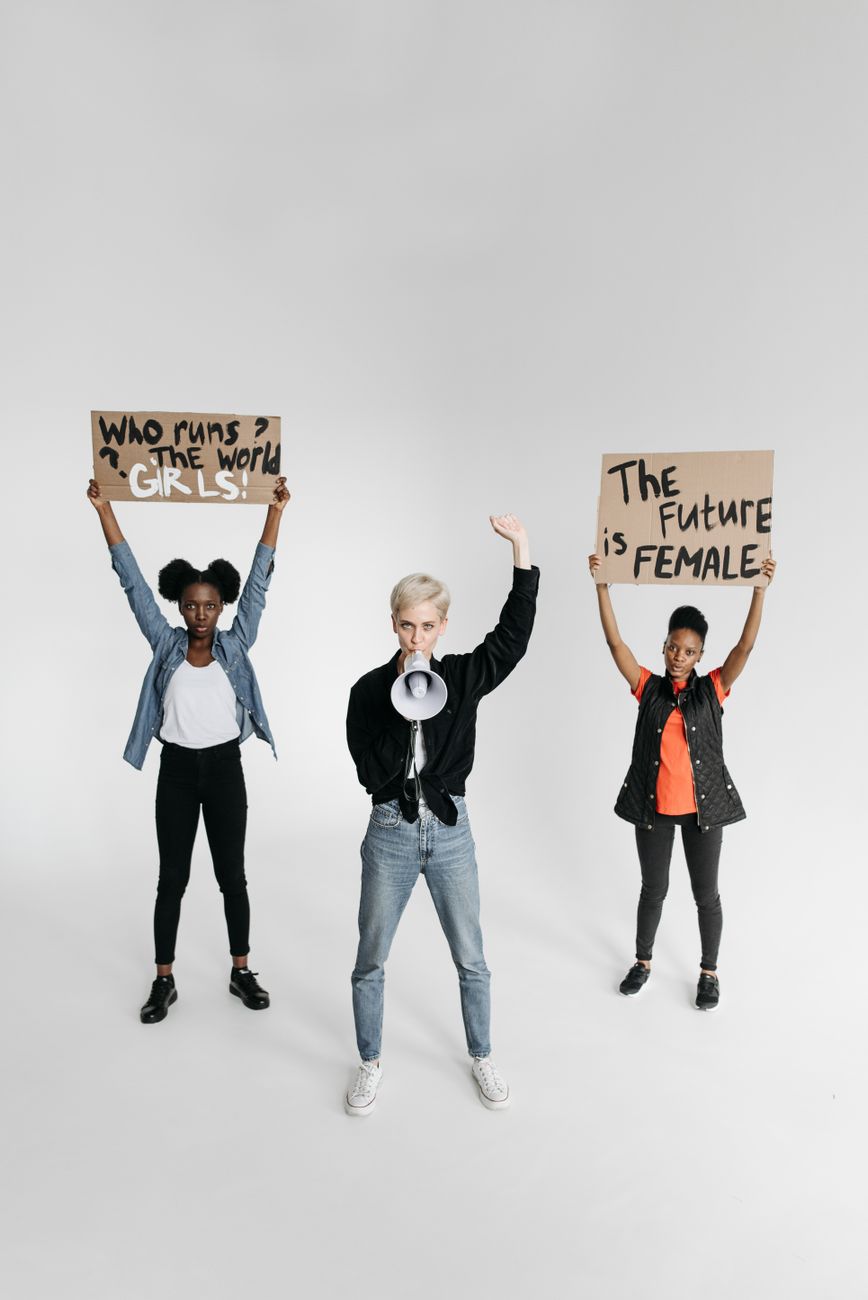
South Africa’s government acknowledged the crisis only after sustained pressure. Following protests by hundreds of women on the eve of the G20 summit in Johannesburg in November 2025, President Cyril Ramaphosa declared gender-based violence a national crisis. Campaigners say no concrete plan or meaningful action has followed. On Tuesday, Ramaphosa directed police authorities to prioritize the ongoing murder investigations, but advocates have heard such promises before.
The deaths have also prompted calls for men to confront their own role. Bafana Khumalo, co-executive director of Sonke Gender Justice, addressed men directly: “When some of these things happen in our presence, most of us men tend to look the other way. You have excuses like ‘No, it’s not my business’. We feel strongly that violence against women is our business. We need, as men, to begin to face each other squarely and hold each other accountable.”
Running clubs across South Africa organized events to honor Moselakgomo’s memory. Mokoena said she hoped the visibility of these deaths might finally push authorities toward action. “I’m just happy that the world, or at least our country, was standing still for a moment to acknowledge what is happening,” she said. “Let’s get this out there and figure out exactly what is happening to women.”
Whether that moment of stillness translates into something lasting is the question her community is now waiting to have answered.
Q&A
Who was Elizabeth Moselakgomo and what were the circumstances of her death?
Elizabeth 'Tsontso' Moselakgomo, 38, was a devoted mother to an eight-year-old daughter who left for a Saturday run on 9 September and never returned home. Her body was found by Saturday and identified by relatives on Monday. She had joined a running club two years prior specifically to avoid training alone.
What did Sakane Mokoena say about her friend Moselakgomo?
Mokoena described Moselakgomo as a woman whose life revolved around her child, always speaking about her daughter and saying she had to leave to go to her baby girl. She recalled Moselakgomo as light-spirited, funny, joyful and very kind.
How did authorities respond to the killings and what was the public reaction?
Police advised women to avoid walking or running alone and to travel in groups. Women For Change advocacy group rejected this response, stating 'We are tired of being told to be vigilant when women are already doing everything possible to stay alive' and arguing that authorities must take responsibility rather than placing the burden on women.
What is South Africa's femicide rate compared to the global average?
According to the UN Office on Drugs and Crime, women in South Africa were killed at a rate of 12.2 per 100,000 people in 2022, nearly six times the global rate.