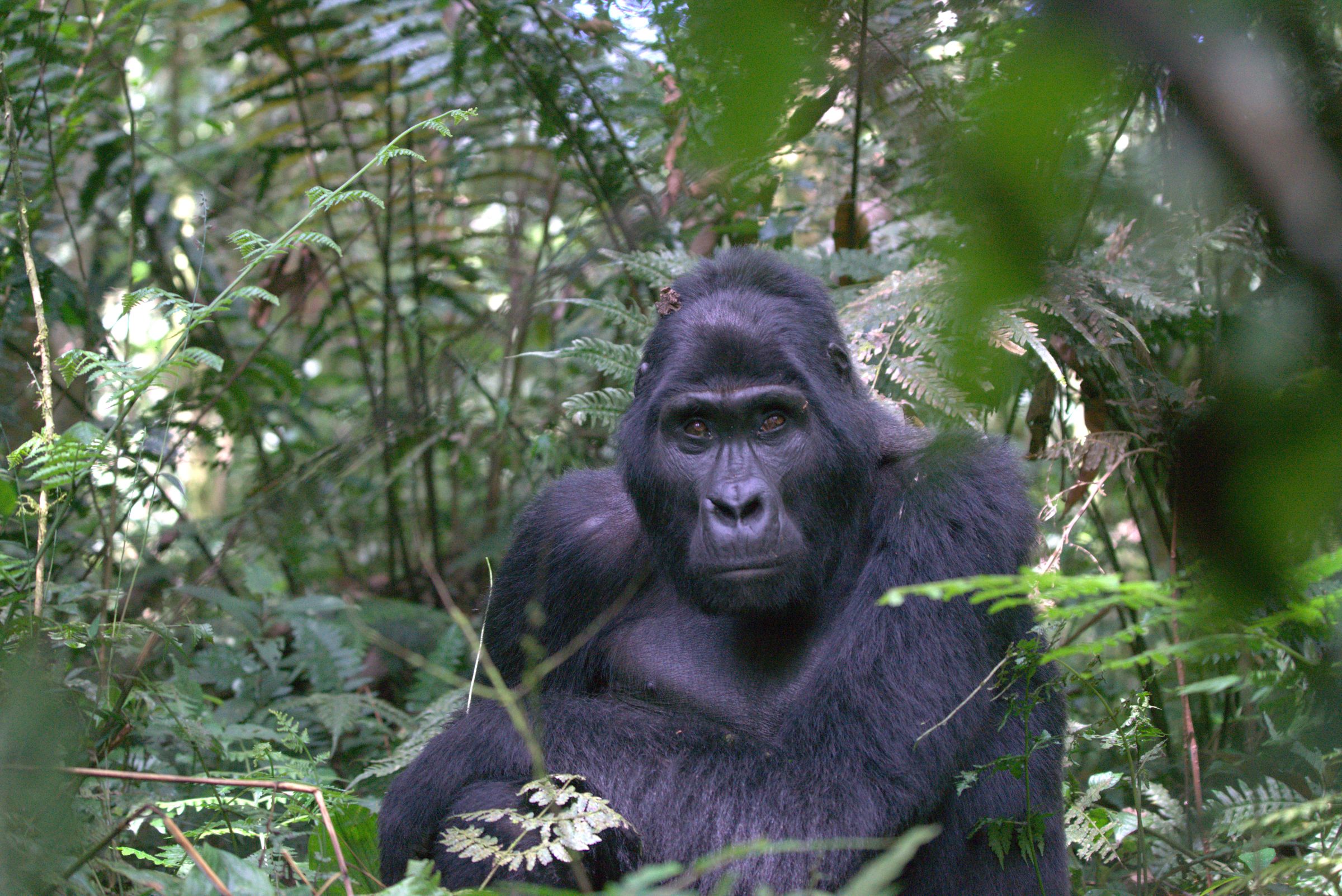
African communities leave biodiversity summit still waiting for funds
Conservation funding for Africa fell even as 30x30 targets inch closer
For the communities who live at the edge of Africa’s forests and coastlines, the promises made at this year’s United Nations biodiversity summit came with a familiar silence attached: the sound of money that did not arrive. Delegates from across the continent left Yerevan, Armenia, where the conference ran from Oct. 19 to 30, with the gap between global ambition and African funding still unresolved, even as countries press toward a global agreement to protect 30% of the world’s land and oceans by 2030, the goal known as 30×30.
The people tasked with guarding that ambition on the ground know exactly what the shortfall means. “The first element remains the lack of funding,” Nadège Nzoyem, WWF’s regional director for the Congo Basin, told Mongabay’s David Akana ahead of the conference, when asked about the biggest challenges. “To improve wildlife monitoring, you need funds. To ensure that the forest is conserved, you also need funds.”
Her words were borne out by a report released during the summit itself. It found that recent funding for African conservation declined in 2025. African nations received about $389 million in international funding, 32% less than the annual average of 2022 to 2024. Between 2023 and 2024, the continent received 48% of all tracked funding; by 2025 that share had fallen to roughly 39%. “Africa has seen the largest absolute decline in recent years,” the report notes. The drop mirrors a wider global trend, with international funding for protected and conserved areas worldwide falling from around $1.2 billion in 2023 to about $1 billion in 2025.
For those who depend on forests and seas for their livelihoods, the timing is especially hard. The Forest Declaration Assessment 2026, published Oct. 13, found that while global deforestation declined by around 15% in 2025, a drop led largely by Brazil, deforestation and degradation in tropical Africa actually increased over the same period. The forests Nzoyem described are under growing pressure precisely as the money to defend them recedes.
There is, at least, a measure of progress to point to. With just over four years left before the 2030 deadline, African nations are closer to the 30×30 goal than the global average, though still off track. On average, African countries protect 19.9% of their land and 17.2% of their seas, according to a tracker run by SkyTruth, a U.S.-based environmental watchdog. The global averages stand at 18.7% of land and 10% of marine landscapes.
Meanwhile, at the summit, the African Group, representing 54 nations, pushed hard for more financial support to meet the global biodiversity targets. Negotiators did agree to widen the pool of countries contributing to international biodiversity finance, inviting developing countries such as China and Persian Gulf states to contribute. Roughly $1.8 billion in new funds for global biodiversity conservation was announced during the two-week gathering. Whether that will be enough to change conditions for the rangers, forest communities and coastal villages the targets are meant to protect remains an open question.
Advocates argue the gap is a matter of priorities, not capacity. “Rich countries spend over 10 times as much money on chewing gum each year as they spend on advancing 30×30 in developing countries,” Brian O’Donnell, director of Campaign for Nature, said in a statement accompanying the report.
The summit’s closing mood was captured by Astrid Schomaker, executive secretary of the Convention on Biological Diversity. “We know what needs to change,” she said in a statement. “We cannot protect nature while continuing to finance its destruction. Resources must reach the countries and communities that need them. And biodiversity must become part of everyday economic decisions.”
For African nations, and for the people who live alongside the continent’s forests and waters, that last point may matter most. The targets exist, the progress is real, and the deadline is four years away. What is missing is the money to make any of it hold.
This article draws on reporting published at https://news.mongabay.com/short-article/2026/11/global-biodiversity-summit-ends-with-shortfall-of-funding-for-africa-despite-30x30-push/
Q&A
Where and when did this year's UN biodiversity summit take place?
The conference ran from Oct. 19 to 30 in Yerevan, Armenia.
How much international conservation funding did African nations receive in 2025?
About $389 million, 32% less than the annual average of 2022 to 2024, with Africa's share of tracked funding falling from 48% to roughly 39%.
How close are African nations to the 30x30 goal?
They protect on average 19.9% of land and 17.2% of seas, ahead of global averages of 18.7% and 10%, but still off track with just over four years left before 2030.
What financial commitments emerged at the summit?
Negotiators agreed to widen the pool of contributing countries, inviting developing nations such as China and Persian Gulf states, and roughly $1.8 billion in new funds for global biodiversity conservation was announced.